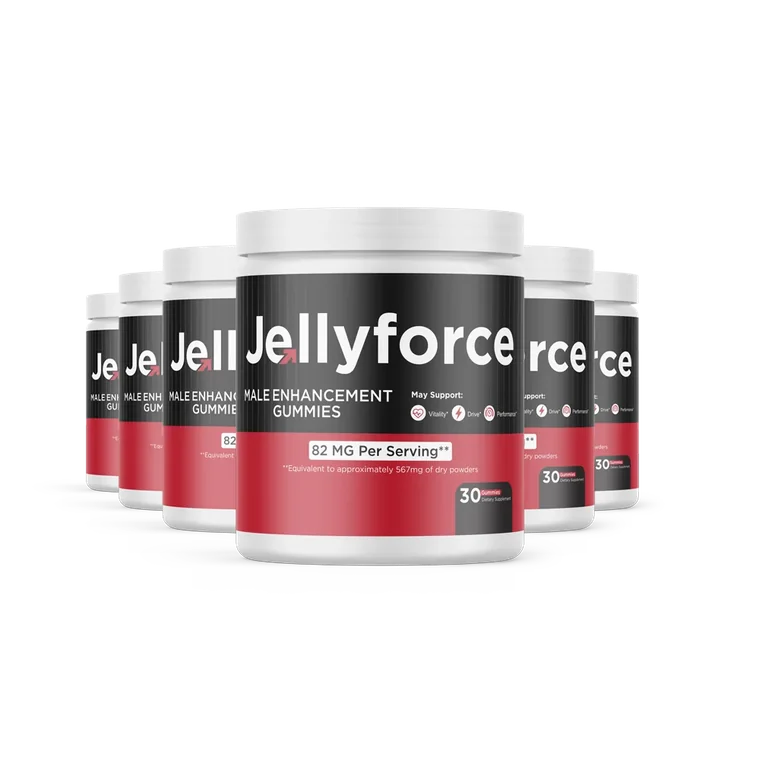
Regular price: $99 per jar
Today from $49 per jar
Order Jellysforce from the official websiteBacked by the 60-day money-back guarantee. Secure checkout on the official website.
Good Manufacturing Practice is a real, auditable standard covering process controls, facility sanitation, staff training, documentation and batch testing. A GMP-certified facility has been inspected against those requirements.
What it tells you: the manufacturing process is controlled and documented. What it does not tell you: whether the formula works. It is a statement about the factory, not the product.
The most misread phrase in the category. Facilities producing dietary supplements are legally required to register with the FDA. Registration is a compliance obligation, not an achievement and certainly not an endorsement.
The FDA does not approve dietary supplements before they go on sale — a point the agency states plainly in its own guidance. Any site implying “FDA registered” means “FDA approved” is either careless or hoping you will not check.
Potentially the most meaningful badge, and the vaguest. It should mean an independent laboratory verified identity, potency and contaminant levels for a batch. The question worth asking is which third party, and whether certificates of analysis are available on request.
A statement about location, relevant mainly because it places manufacturing under US regulatory jurisdiction and inspection. It says nothing about ingredient sourcing, which frequently spans several countries regardless of where blending happens.
None of the four tells you whether a formula suits you. They tell you whether the manufacturing behind it is controlled — a necessary condition, not a sufficient one.
We write from the product label outward, check each ingredient against what it is genuinely studied for, and publish the unflattering parts too. See our editorial standards.
Backed by the 60-day money-back guarantee. Secure checkout on the official website.